The color quality of LED lights is one of the main challenges standing between the companies producing these lights and the consumers using them. Because LED lights are almost monochromatic, it also makes them energy efficient. The problem is that these same characteristic is what makes LEDs poor light quality because "white" light does not exist in a great enough amount to make LED lighting of high quality.
Showing posts with label advanatges of LEDs. Show all posts
Showing posts with label advanatges of LEDs. Show all posts
Tuesday, December 8, 2009
Color Quality of LED Lights
Friday, December 4, 2009
LEDs: Energy Efficiency Factor
As we move into a more and more eco-conscious world, concern with the use of energy efficient lighting has become more important. It is believed that by 2010, which is just a few short weeks away from beginning, LEDs will be the most energy efficient lighting available.
Energy efficiency for lighting is measured by luminous efficacy, which is measured in lumens per watt. This is a measurement of how much light is produced from each watt of electricity used by the light. Today, LED lights produce 45 to 50 lumens per watt, but as further development occurs, it is expected that LEDs will reach 160 lumens per watt by 2025.
Something else to keep in mind about LEDs is while they use a low amount of energy, they also produce a low light output. True energy efficiency provides both a low energy user that produces a quality amount of light output. This is why work is still underway to continue to improve the energy efficiency of LEDs.

Thursday, November 5, 2009
Advantages of LED Lights
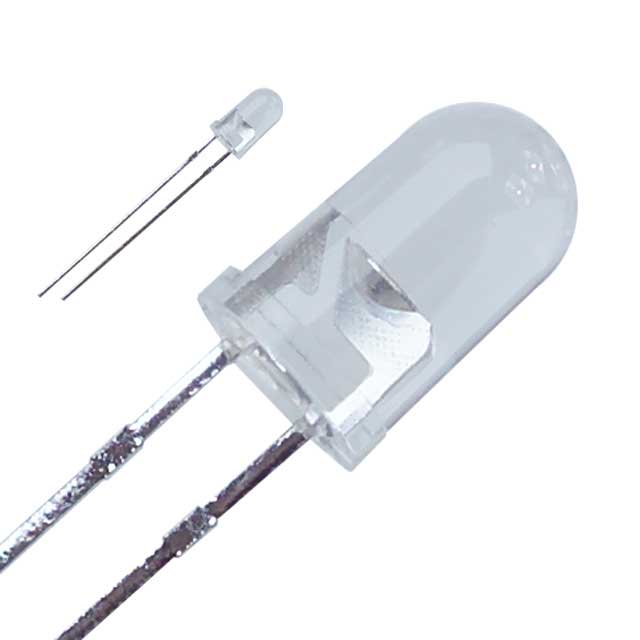
The way that LEDs are made and the way this type of lighting works means it has some advantages over other types of lighting.
LEDs are mounted on a flat surface, which allows it to emit a fuller light than incandescent and compact fluorescent light bulbs.
LEDs do not have glass enclosures similar to other light bulbs, so there is less of a risk for breakage.
It won't burn you if you touch it like what happens to a more traditional light bulb when it has been on for awhile. In fact, as the temperature of the LED light increases, it works better--emitting a brighter light.

Subscribe to:
Posts (Atom)


 Posts
Posts


